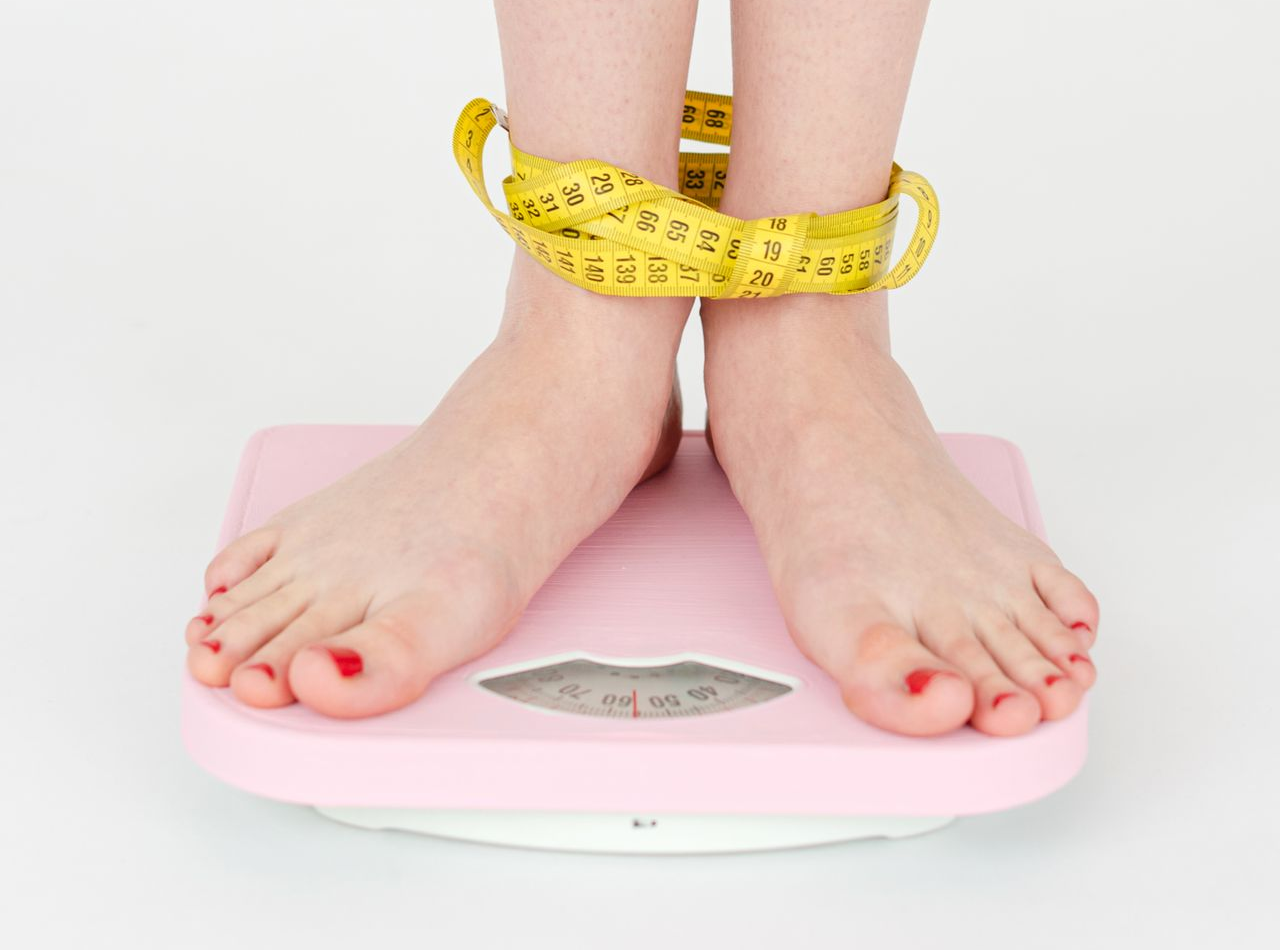
Starving yourself all day before a festive meal is a common mistake. During the holidays, we often skip breakfast or lunch to "save calories" so that we can eat more in the evening. Unfortunately, this leads to overeating rather than saving calories. When we are very hungry, we lose control over what and how much we eat—extreme hunger often forces us to reach for large portions. Eating regular meals throughout the day helps stabilize blood sugar levels and prevent ravenous appetite attacks. Therefore, before Christmas Eve dinner, it is a good idea to eat something light, especially breakfast and, for example, a light lunch. Remember to make sure these meals are well balanced.
There are always lots of dishes on the Christmas Eve table, so what should you choose first? It is best to choose dishes/products that are full of nutrients, give you a feeling of fullness, and aid digestion, such as:
Vegetables – cooked, pickled, raw, salads, beets, cabbage (but not fried). Vegetables provide fiber, help you feel full, and are low in calories.
Protein foods—such as fish, lean meat, and legumes. Protein and fiber are ingredients that make you feel full for longer.
What about products such as rolls and bread? I would rather skip them. Why stuff yourself with bread that you can eat every day? It's better to choose foods that you don't usually eat on a daily basis.
Such choices will help avoid large fluctuations in blood sugar levels. This means that we will start by eating foods that promote good digestion, provide nutrients, and limit the amount of space for heavier, more caloric foods.
Start with a small portion – take a small plate or serve yourself one portion in moderation. If you are still hungry, you can always go back for seconds. Eat slowly, savor the taste, chew well – give your body time to signal satiety (the signal from the stomach to the brain often arrives with a delay of up to 20 minutes). Take a break halfway through your meal – after the first serving, take a moment to talk, drink some water, and clear the plates. If you are still hungry after this break, then have more. Maintain a regular meal rhythm throughout the holiday – don't skip breakfast or lunch.
The holidays are not only a time for eating—they are also a time for getting together with family and friends, a time for rest and relaxation. So it's worth taking care of your well-being during this time. The best ways to do this are:
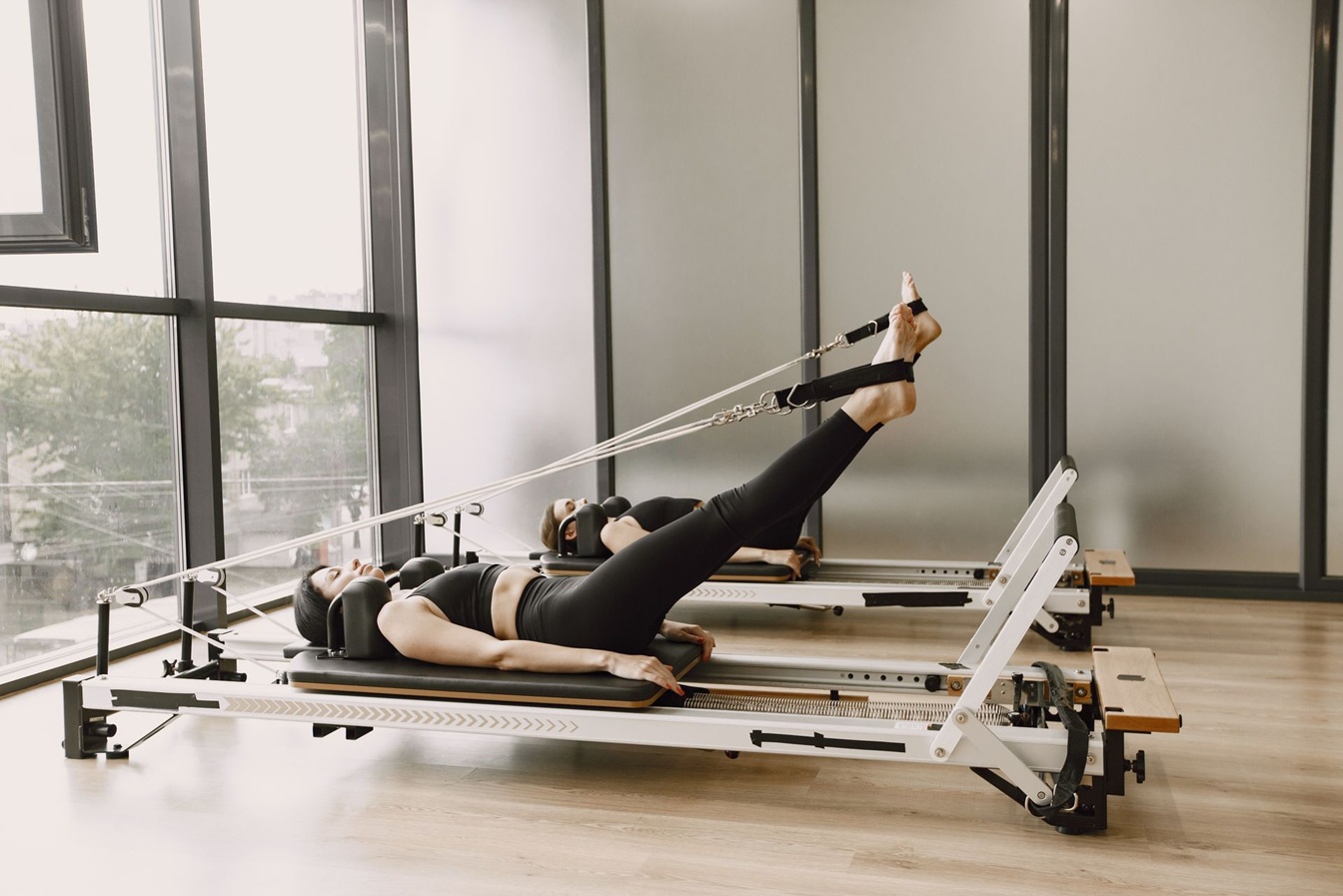
Physical activity—even a short walk after dinner, playing with loved ones, or going outside together—will aid digestion, improve your mood, and reduce feelings of heaviness.
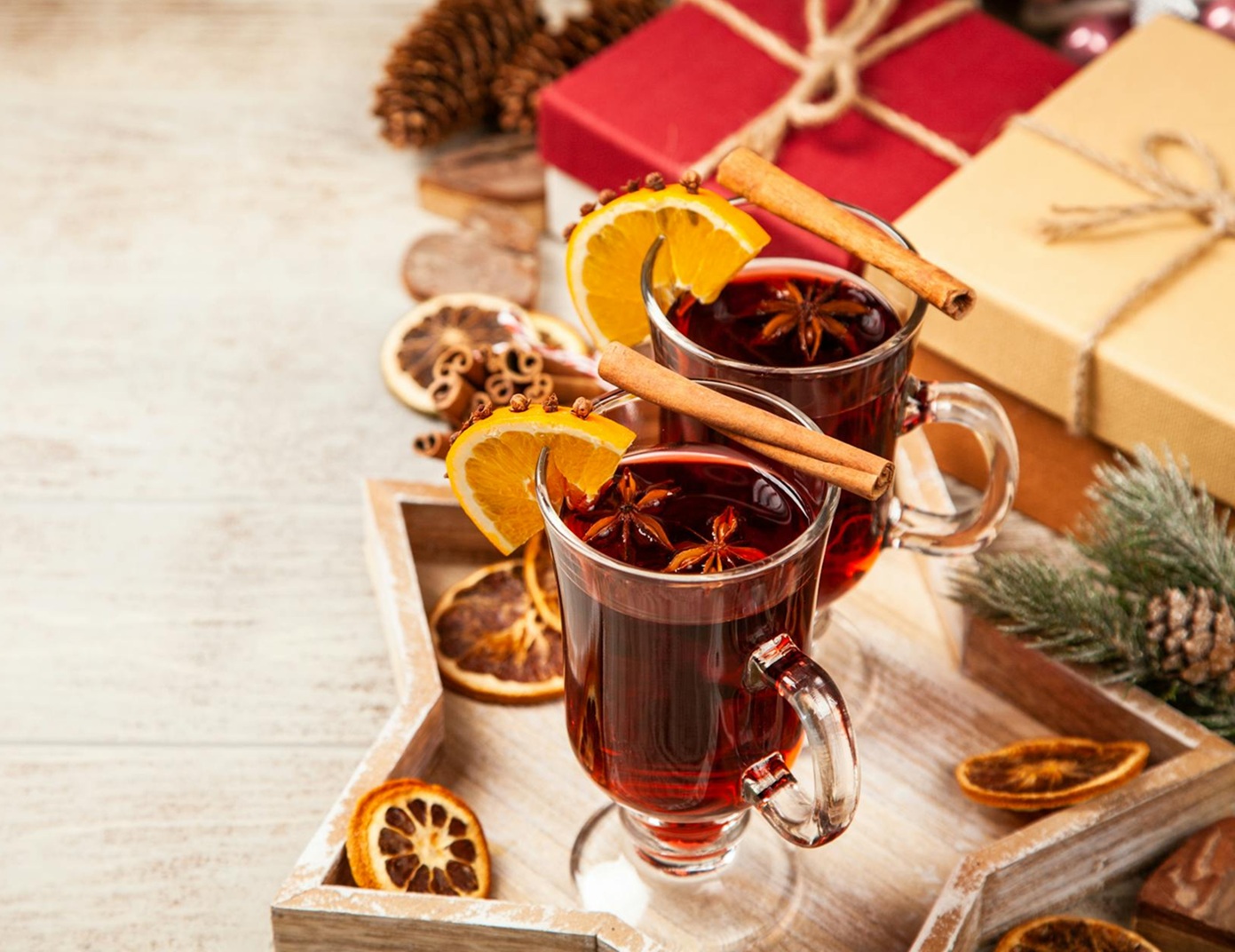
Hydration – drink water, tea, unsweetened beverages. Avoid excessive alcohol consumption – if you drink, it is a good idea to alternate with water.
A conscious, mindful approach to food – appreciate the taste, the atmosphere, the family. Food is part of the celebration – without the pressure to "stuff yourself."
Desserts and sweets often appear during the holidays – and you don't have to give them up. What matters is how and how much we eat during this time. Don't assume that sweets are "bad" – allow yourself to eat them, but treat them as an addition, not as a mandatory part of dinner. An "all or nothing" approach often leads to overeating and feelings of guilt. If you decide to have dessert, take a small portion and savor it slowly. It often turns out that a small piece is enough to feel satisfied. It is also worth preparing "homemade" sweets instead of buying them in a store or pastry shop. Such cakes will always be less processed and definitely tastier.
During the holidays, the most common pitfalls are:
Instead of following restrictive diets, approach food with common sense and moderation. Eat small, healthy, balanced meals and drink plenty of water. Don't deny yourself pleasure, just eat without overeating.
Eat slowly, take breaks, and savor your food. By eating slowly, you give your body time to signal that it is full.
Drink plenty of water, replace sugary drinks with tea, and drink alcohol in moderation, as it provides many empty calories.
Christmas is a time of joy, togetherness, and... food. It's worth approaching it sensibly and with a plan. Instead of acting on impulse and overeating, make sure you stay hydrated, eat light meals before Christmas Eve dinner (don't starve yourself all day!), take breaks during meals, and spend time with your loved ones, including active time, such as going for a walk. And remember, don't be afraid! The holidays are supposed to be joyful, without remorse. Don't deny yourself anything, just approach food with common sense and moderation.
Prepared by: Wiktoria Kubicka
.jpg)