
October means a return to routine: longer days filled with responsibilities, class schedules, work schedules, new projects, and suddenly we feel like we don't have time to exercise or eat a proper meal. It's a classic scenario! Responsibilities pile up, and the day doesn't stretch itself. The key to balancing everything lies not in miraculously extending the day, but in simple organization, soft compromises, and prioritizing daily choices.
A few thoughtful habits in September can save you hours and refresh your energy at school, at work, and at the gym.
1. Block out time in your calendar—treat your workout like an important meeting. Set aside 30–40 minutes in a specific slot (e.g., Monday, Wednesday, Friday, 6:00–6:30 p.m.).
2. Divide your day into blocks: work/lessons → household chores → training → meal preparation. Blocking minimizes decisions about "what to do now."
3. Evening preparation ritual – 20-40 minutes in the evening can save your morning. Prepare lunchboxes, pack your bag, choose clothes for training.
4. Give up 30 minutes of unproductive lying around—this is often the only "cost" of regular exercise. Replace scrolling through social media with 30 minutes of exercise and you will gain clarity of mind and better sleep.
5. Small steps = big changes - 2-3 30-minute workouts per week are better than promising yourself a daily 60-minute workout that you never do.
1. Physical health: improved fitness, stronger heart and muscles
2. Mental health: exercise reduces stress, improves mood, and facilitates concentration.
3. Prevention for the future: being consistent now reduces the risk of health problems (e.g., back pain, obesity, cardiovascular disease) in a few years.
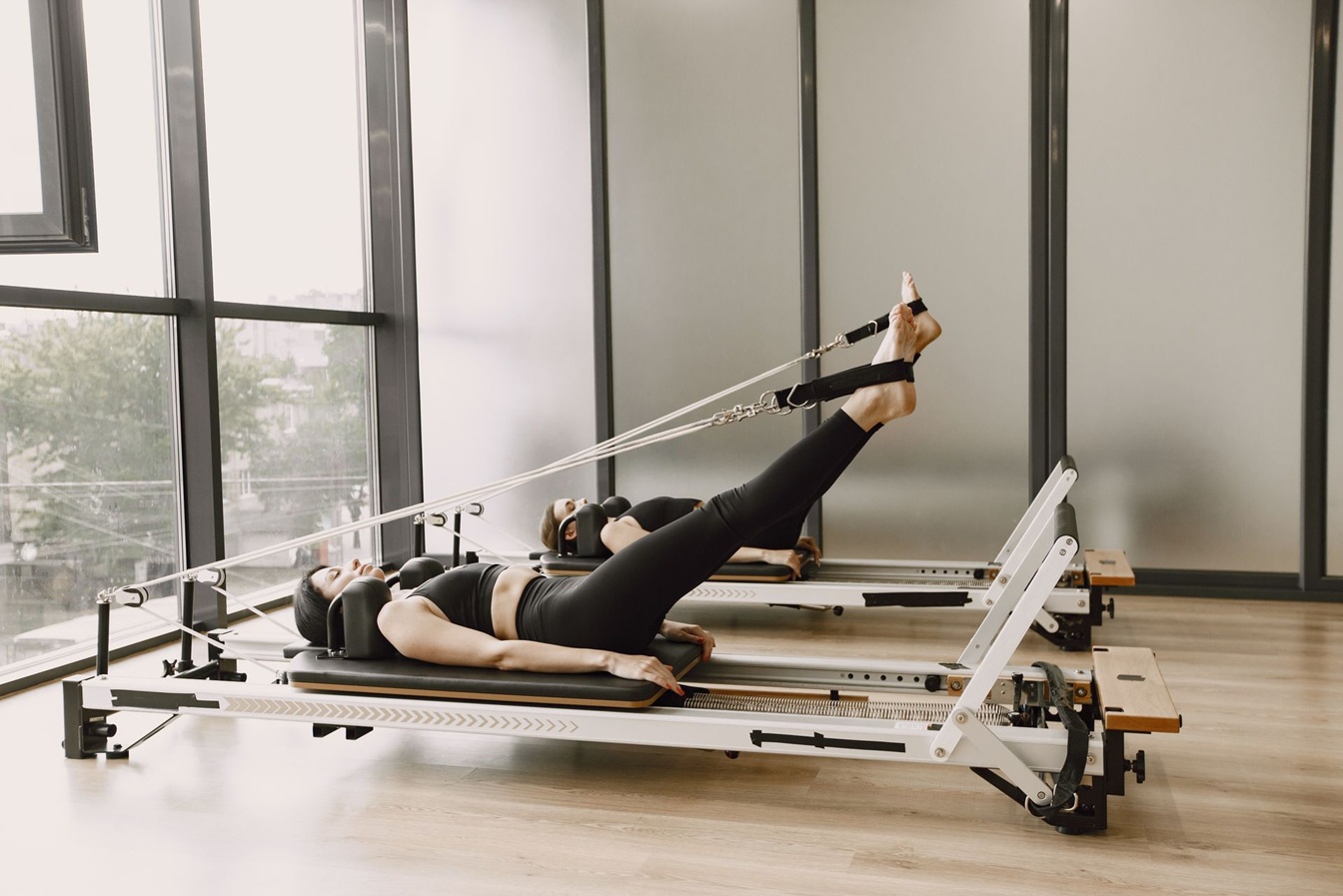
4. Immediate effect: after 30 minutes of training, you often feel more energetic and better organized than after 30 minutes of lying on the couch. You don't have to run marathons right away. Short interval training, strength training, yoga, Pilates, stretching, or a quick bike ride/walk—it all counts.
Meals for work and school – a rule that makes life easier:
The most common excuse: "I don't have time to cook." The answer: prepare meals wisely and use simple ingredients.
1. Protein - eggs, cottage cheese, yogurt, hummus, meat, fish, legumes, tofu.
2. Complex carbohydrates—instant groats, brown/whole grain rice, whole grain bread, oatmeal
3. Vegetables/fruit – raw or baked
Choose raw materials that are quick to process:
1. Eggs (hard-boiled eggs take 10–12 minutes to cook: you can boil several at once).
2. Instant groats/instant rice – ready in 5–10 minutes.
3. Raw vegetables—carrots, peppers, cucumbers, cherry tomatoes.
4. Hummus, cottage cheese, yogurt—ready in no time!
5. Canned tuna/salmon – a quick source of protein.
6. Frozen vegetables—quick to fry or boil.
Example: Chicken with beans and pico de gallo salsa. You can find more ideas for quick and healthy lunch boxes in my latest e-book! Click here to
download → https://www.fitmeanseat.pl/sklep/ebook-zdrowe-lunche
1. Cook "for two days" – one dinner = lunch for the next day.
2. Use one dish—roast vegetables and meat together on a baking sheet or make one-pot meals.
3. Prepare the "base ingredients": cooked groats, canned beans, chopped vegetables.
4. Invest in good containers—airtight and with compartments.
5. Plan your meals and shop with a list—you'll save time in the store and avoid wasting food :)
1. If you lack motivation, make an appointment with someone—training with someone else helps maintain the habit.
2. Take care of your sleep—that's when your body regenerates. Without sleep, your energy levels drop and your desire to train diminishes.
3. Small rewards—a relaxing massage or a new item for training.
4. Listen to your body—if you feel exhausted, a short walk is better than an intense workout.
October is a period of intense change – but you don't have to choose between studying/working and health. Organization is your most powerful tool: block out time for training, prepare meals in the evening, follow the simple rule of protein + complex carbohydrates + vegetables/fruit, and use simple, quick products. Instead of looking for excuses, compare: 30 minutes on the couch vs. 30 minutes of exercise – a daily choice that will translate into better physical and mental health now and in the future.
Prepared by: Justyna Kurasz

.jpg)