The basis for outdoor training in the fall is appropriate layered clothing. The rule is simple—it is better to wear several thin layers than one thick one. The most important thing is that the first layer is thermal, i.e., one that wicks moisture away from the body and helps maintain an optimal temperature. This will prevent you from getting cold when you sweat during exercise. If the weather plays tricks on you and it starts to rain, don't give up on your workout! All you need is a good rain jacket and pants that don't absorb water. It's also a good idea to wear a cap - it will protect you not only from the rain but also from the wind.
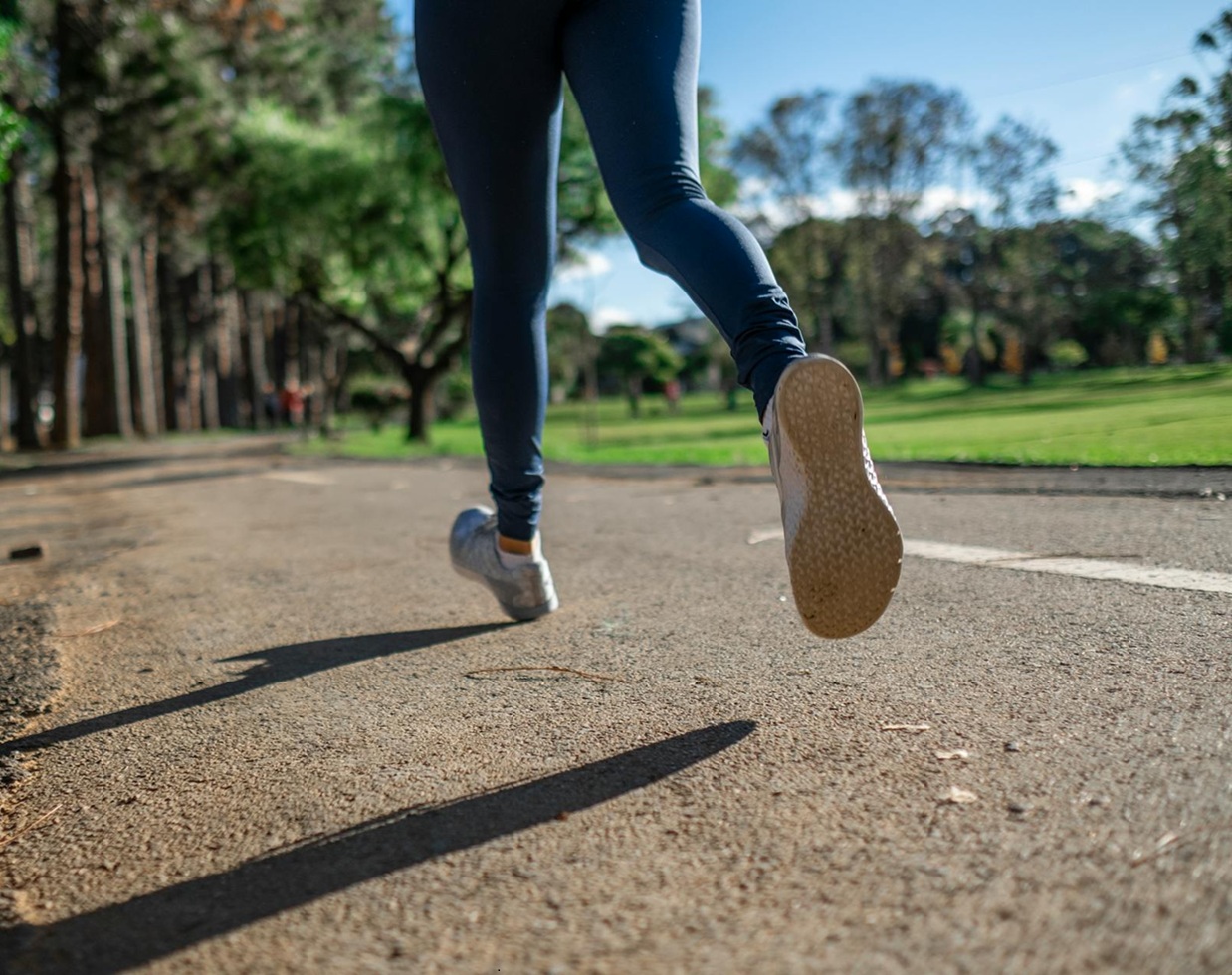
During autumn runs in the countryside, your hands, feet, and ears are particularly vulnerable to hypothermia. That's why gloves, long socks, and an ear band are essential items of clothing. Tip: before you go outside, add about 5-10°C to the actual air temperature. Why? Because when you warm up, your body will naturally raise its temperature. In practice, this means that at the beginning of your workout, you should feel a slight chill—this is a good sign that you are dressed appropriately. After finishing your activity, don't delay changing your clothes. Cold air and sweat are a combination that can quickly lead to a cold. Immediately after training, return home, to your car, or to the nearest room and put on dry, warm clothes.
When the temperature drops, our muscles, joints, and tendons become less flexible, and blood circulation slows down. This means that the risk of injury increases significantly if we start intense exercise without proper preparation. In fall and winter, the warm-up should last longer: about 10-15 minutes. It is worth focusing on dynamic exercises such as skips, arm circles, squats, and leg swings. Only when you feel that your body is warmed up and ready for exercise can you set off. Remember - it is better to spend a moment warming up than several weeks treating an injury.
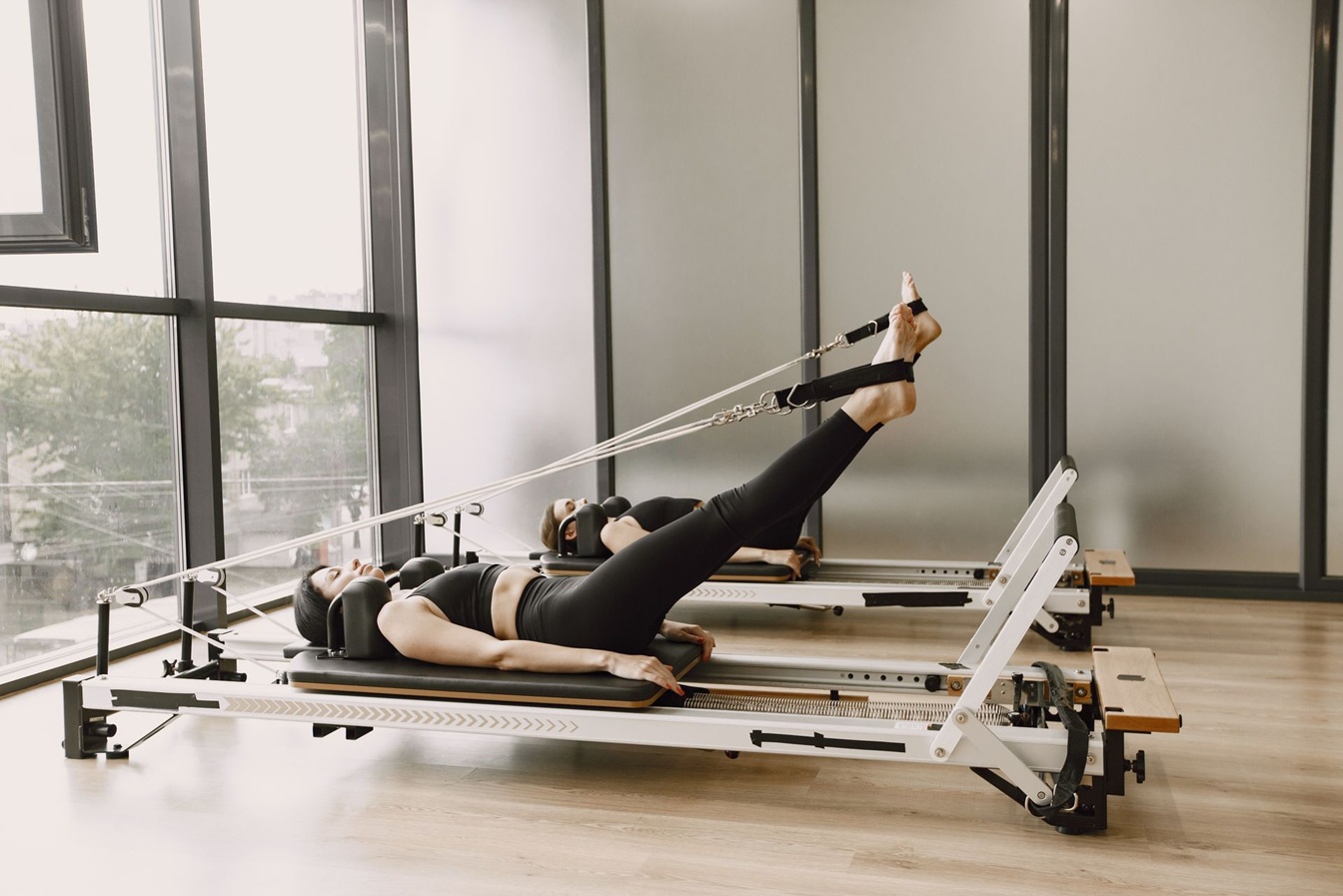
Of course, there are days when it rains continuously and the wind blows so hard that it is difficult to maintain balance. Then it is worth considering alternative training. Strength training is a great solution, as it strengthens muscles, improves posture, and supports overall fitness. Mobility exercises, i.e., joint mobility, are also a good choice, as they help maintain fitness and prevent stiffness after long hours spent at home. If you miss running but don't want to freeze, you can also choose a treadmill. It is a safe alternative that allows you to maintain regularity in your workouts. However, it is still worth doing at least some of your activities outdoors. Autumn training outdoors oxygenates the body, strengthens immunity, and improves well-being.
Training on colder days doesn't have to be a chore. All you need is a few simple rules: appropriate clothing, a solid warm-up, and common sense. Autumn air can act as a natural energy booster—it refreshes, motivates, and gives you the satisfaction of overcoming your own limitations. Don't let lower temperatures keep you at home. Take care of yourself, prepare wisely, and enjoy being active all year round!
Prepared by
Justyna Kurasz

.jpg)