
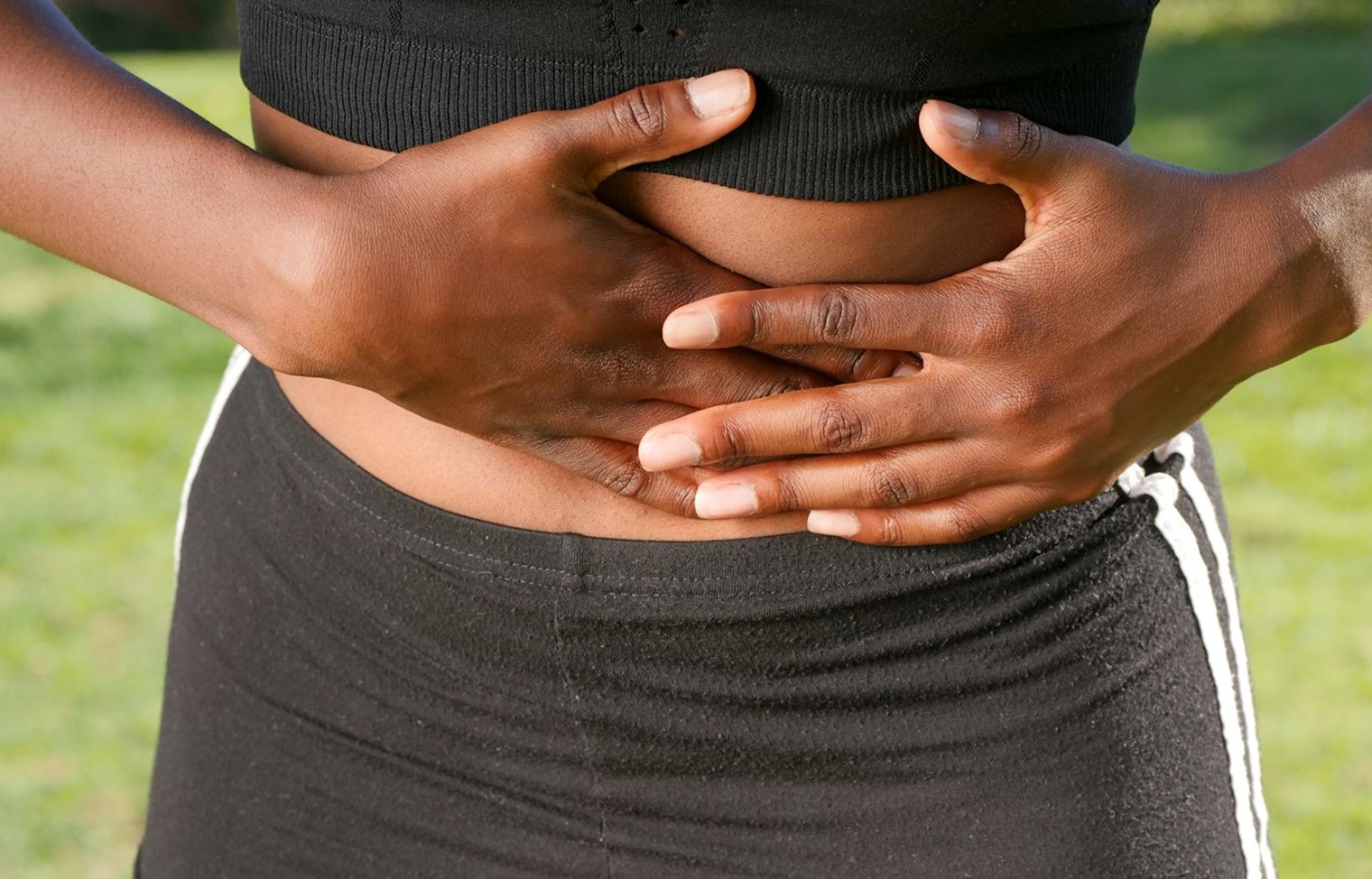
A growing body of research shows that intense exercise can actually disrupt the functioning of the digestive tract, increase intestinal permeability, and impair the body’s recovery. This issue affects more than just professional athletes.
It is also increasingly observed in recreational athletes who combine intense training with work, stress, and sleep deprivation. Interestingly, according to research, as many as 30–90% of endurance athletes experience gastrointestinal issues during training or competitions. And that is precisely why gut health has become one of the most important elements of modern sports recovery.
During exercise, the body functions like a perfectly programmed survival system. When you start training intensely, your body makes quick decisions: the muscles need oxygen, the heart needs to beat faster, and energy needs to go where it’s needed most. The problem is that the intestines are no longer a priority. Blood “rushes” from the intestines to the muscles. During intense exercise, blood flow through the digestive system can drop by as much as 80%. For the intestines, this means one thing: less oxygen, poorer cell nutrition, and more difficult digestion.
- a feeling of heaviness,
- nausea,
- rumbling in the stomach,
- reflux,
- a sudden urge to use the restroom,
- intestinal cramps.
The more intense the workout, the greater the strain on the digestive tract. Studies show that running, in particular, increases intestinal permeability more than, for example, cycling.
Many athletes are familiar with this moment: everything was going well right up until race day. Suddenly, they experience stomach cramps, a loss of appetite, or diarrhea even before the start. This is no coincidence. The intestines are closely linked to the nervous system. Pre-race stress causes a surge in adrenaline and cortisol, and these hormones can:
- stimulate bowel movements,
- increase gastrointestinal motility,
- impair digestion,
- exacerbate inflammation.
That is why digestive problems often occur in ambitious people who are under significant mental stress and train beyond their bodies' ability to recover.
One of the most common conditions is what’s known as “runner’s diarrhea.” It sounds harmless, but for many people, it causes a great deal of stress during competitions.
- marathon runners,
- triathletes,
- ultra runners,
- people doing high-intensity interval training.
- reduced blood flow to the intestines,
- microlesions of the gastrointestinal tract,
- dehydration,
- stress,
- dietary mistakes before exercise,
- mechanical "jostling" of the intestines while running.
Some studies even show that intense exercise can increase the permeability of the intestinal barrier after just 60–90 minutes of training.
In practice, digestive problems are most often caused by a combination of several factors.
It's a classic scenario:
- a large serving of pasta,
- high in fiber,
- raw vegetables,
- coffee,
- energy specialist,
- a sample energy gel.
And then... drama on the road.
- fatty meals,
- excess fiber,
- excessive caffeine intake,
- eating too close to a workout.
Even mild dehydration can significantly impair the functioning of the digestive tract.
When the body loses water:
- there is a decrease in the production of digestive enzymes,
- the intestines receive less blood,
- the risk of mucosal irritation increases,
- Nutrient absorption is impaired.
Therefore, an athlete may have the following at the same time:
- fatigue,
- decreased performance,
- intestinal problems,
- poorer recovery.
Athletes often overdo it with supplements.
Meanwhile, the intestines react very badly to:
- high doses of magnesium,
- excess vitamin C,
- artificial sweeteners,
- highly concentrated isotonic drinks,
- low-quality protein supplements,
- too many energy gels.
Research is also increasingly highlighting the negative effects of nonsteroidal anti-inflammatory drugs (NSAIDs), which may increase
damage to the intestinal barrier during exercise.
This is one of the most fascinating things modern science has to offer. Just as muscles adapt to physical exertion, so too can
the digestive tract. Scientists refer to this as “gut training.” It involves gradually acclimating the intestines to:
- drinking fluids during exercise,
- consuming carbohydrates during a workout,
- specific gels and isotonic drinks,
- specific dietary strategies.
That's why top athletes test their nutrition months before a competition, not the day before.
Try a detox diet. When your digestive system is overloaded, your body needs a break.
- easy to digest,
- anti-inflammatory,
- based on simple products,
- rich in moisture.
- rice,
- potatoes,
- bananas,
- cooked vegetables,
- eggs,
- fish,
- fermented dairy products,
- silage.
- fried foods,
- fast food,
- alcohol,
- very spicy seasonings,
- excess fiber.
Until recently, the focus was mainly on protein and muscle recovery. Today, more and more attention is being paid to the gut microbiota.
It is the gut bacteria that influence, among other things:
- immunity,
- inflammation,
- regeneration,
- exercise tolerance,
- the function of the intestinal barrier.
Research suggests that a healthy gut microbiota may reduce the risk of gastrointestinal problems in athletes.
That is why it is a good idea to regularly consider:
- fermented products,
- silage,
- soluble fiber,
- probiotics (tailored to each individual),
- a variety of fruits and vegetables.
There is no such thing as a healthy gut without regeneration. If the body is constantly overworked:
- cortisol levels rise,
- the regeneration of the intestinal mucosa is impaired,
- inflammation is increasing,
- the risk of infection and digestive problems increases.
Very often, improving your sleep and reducing your training volume yields better results than taking yet another supplement.
The most effective strategies are also the simplest:
- Don't eat heavy meals,
- limit your intake of fiber and fat,
- Don't test new products.
- drink regularly,
- use proven products,
- Train your gut just like you train your muscles.
- replenish fluids and electrolytes,
- make sure to rest,
- Don't ignore chronic symptoms.
Because digestive issues aren't just a "normal part of sports." They're a sign that your body can no longer handle the strain.
Physical activity in and of itself is extremely beneficial for metabolic health and the gut microbiota. The problem arises when training becomes too intense, recovery is insufficient, and the diet is not tailored to the physical demands. That is when the body begins to send warning signals:
- abdominal pain,
- bloating,
- diarrhea,
- nausea,
- chronic fatigue.
Modern science is increasingly showing that a healthy gut can be one of the key factors in athletic performance. That is why taking care of your digestive system should be taken just as seriously as your training plan or muscle recovery.
1. https://pubmed.ncbi.nlm.nih.gov/24791919/
2. https://pubmed.ncbi.nlm.nih.gov/28511020/
3. https://pubmed.ncbi.nlm.nih.gov/37061651/
Prepared by: Justyna Kurasz

.jpg)