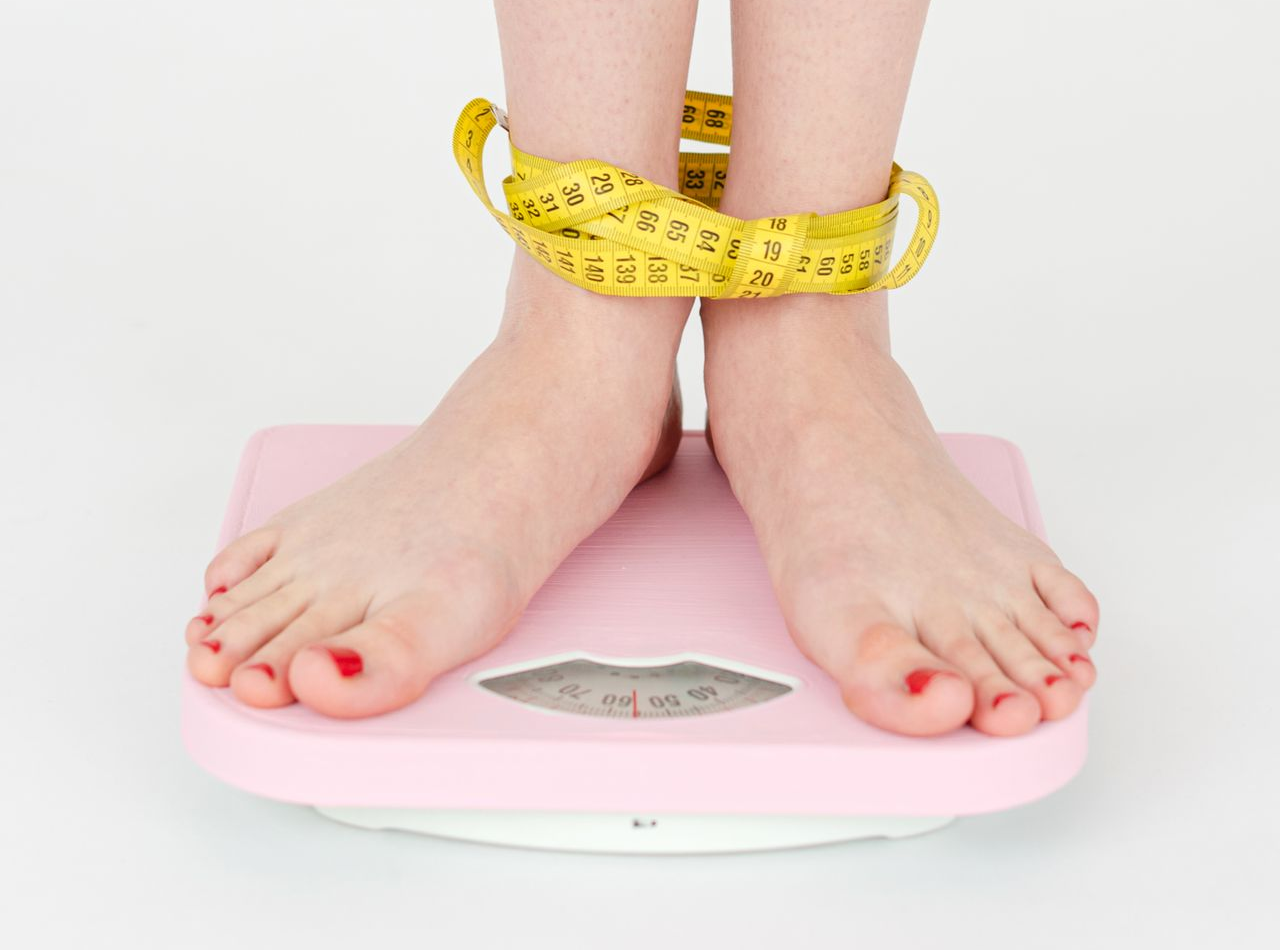

Metabolism is the amount of energy we consume and expend throughout the day. The factors that influence its rate are primarily: gender, age, body weight, diet, physical activity, lifestyle, physiological condition, chronic diseases, and hormone activity. According to research, the highest resting metabolic rate occurs in childhood and then gradually decreases with age. After the age of 30, metabolism slows down by about 2-5% per decade due to:
- Frequent loss of muscle mass (sarcopenia) - Muscles burn more calories than fat, so having less muscle means a slower metabolism.
- A decrease in physical activity, which causes a slowdown in metabolism.
- Hormonal changes - in women, this is a decrease in estrogen, and in men, a decrease in testosterone. A decrease in these two hormones not only increases body fat and decreases muscle mass, but also affects glucose and insulin metabolism. Thyroid hormones also have a significant impact on our metabolic rate. Their reduced activity will also slow it down.
1. Diet - A well-chosen, balanced diet is the basis for speeding up our metabolism. A properly chosen diet that promotes metabolism should include: Adequate calorie intake tailored to our individual needs (too low or too high calorie intake leads to a slowdown in metabolism because the body begins to conserve energy).
- Regular meals ( our body needs a constant supply of "fuel," i.e., food, which is why regular meals are very important in speeding up our metabolism). Ideally, this should be 4-6 small meals eaten every 3-4 hours on average.
- Adequate protein intake - Protein is a key element in speeding up metabolism, as it promotes muscle mass building, provides a long-lasting feeling of satiety, and our body uses significantly more energy to digest proteins than fats or carbohydrates.
- Adequate amount of fiber - Fiber accelerates intestinal peristalsis, stabilizes blood sugar levels, and also makes you feel full longer than protein.
- Proper hydration - a minimum of 2 liters of water per day is crucial for speeding up our metabolism, as water helps remove toxins from the body and is involved in all metabolic processes.
- Sleep and rest are other key ways to speed up your metabolism. Sleeping regularly for 7-9 hours a day not only supports brain function and allows us to function better during the day, but also prevents obesity, as studies show that people who sleep less than 6 hours a day have a slower metabolism and are often more obese.
2. Physical activity - Regular exercise is one of the best ways to speed up your metabolism. Exercise increases muscle mass, regulates the levels of hormones that affect the metabolic rate, and increases the metabolic rate for up to 24 hours after the workout. Studies show that even moderate-intensity training 3-4 times a week can significantly speed up our metabolism.
3. Stress reduction - Constant stress causes an increase in cortisol in our body, which leads to fat storage and slows down metabolism. That is why it is important to ensure rest and regeneration, use relaxation techniques such as meditation or deep breathing, and maintain balance in our lives.
4. Appropriate supplementation - After consulting a doctor or dietitian, you may consider taking supplements that support metabolism. The best supplements for speeding up metabolism are: chromium - helps regulate blood sugar levels, green tea extract - speeds up metabolism, caffeine - increases fat burning, and L-carnitine - supports the transport of fatty acids to the mitochondria, where they are burned as a source of energy.
Metabolism is the amount of energy we consume and expend during the day. It depends on many factors, which can be divided into unmodifiable ones, such as age or gender, and modifiable ones, such as body weight, physical activity, and lifestyle. Metabolism begins to gradually decline after the age of 30. The most common reasons for a decrease in metabolism are a decrease in physical activity, poor diet, hormonal changes, and loss of muscle mass. In order to take care of our health and figure, we must ensure an adequate and well-balanced diet, physical activity, sleep, rest, supplementation, and stress reduction. All these factors have a positive effect on speeding up metabolism and, consequently, on weight loss and our health. Vacations are usually a time of rest, less physical activity, and a diet that deviates from the norm, so when, if not now? Now is the best time to kick-start your metabolism again and enjoy good health and a beautiful figure for the rest of your life.
https://o-lekach.pl/prawidlowa-dieta-usprawni-przemiane-materii/
https://dietetycy.org.pl/metabolizm/
Prepared by: Wiktoria Kubicka

.jpg)