
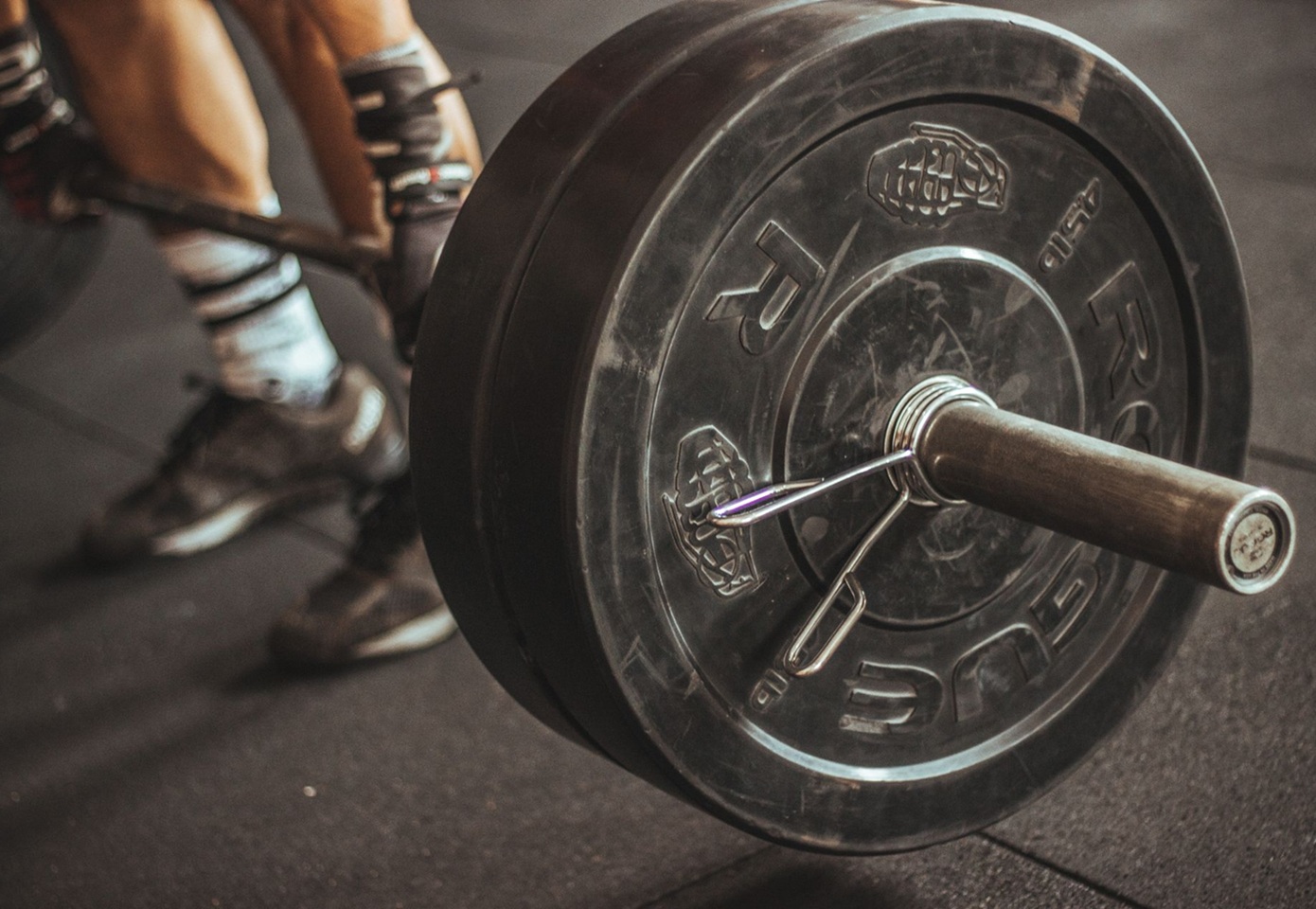
Current scientific research leaves no doubt that regular strength training is one of the most effective ways to improve health. The benefits go far beyond muscle growth.
Systematic resistance training:
- Increases muscle strength and endurance,
- Improves bone mineral density, reducing the risk of osteoporosis,
- Helps manage body weight by increasing lean muscle mass,
- Improves insulin sensitivity and glucose metabolism,
- Reduces the risk of cardiovascular disease,
- It has a positive effect on mental health by reducing symptoms of stress and depression.
Meta-analyses published in recent years also indicate that just two strength training sessions per week can significantly reduce the risk of premature death and the development of many chronic diseases.
The quality of movement is becoming increasingly important. Although progressive overload remains the fundamental principle of strength training, the modern approach emphasizes something equally important—the quality of the movement itself.
It's no longer just about how many kilograms are on the barbell. Equally important are:
- Proper technique,
- Adequate traffic control,
- Trunk stabilization,
- Full range of motion in the joints,
- Conscious muscle control.
Research shows that proper technique allows for more effective engagement of the target muscle groups, reduces stress on the joints, and lowers the risk of injuries resulting from training errors.
Until recently, mobility exercises were considered merely an add-on to the warm-up. Today, they have become an integral part of the training program. Mobility refers to the ability to move through a full, controlled range of motion while maintaining joint stability. Improving mobility leads to:
- Better exercise technique,
- Greater range of motion during squats or deadlifts,
- Less strain on the spine,
- More effective use of muscle strength.
- Regular work on hip, shoulder, and thoracic spine mobility improves the quality of your workout and reduces the risk of chronic pain.
More and more people who do strength training are incorporating Pilates into their routines. This is no coincidence, as Pilates helps develop:
- Core stability,
- Posture control,
- Coordination,
- Body awareness,
- Smooth traffic flow.
Research shows that regular Pilates practice improves balance, core stability, and the function of the deep muscles. As a result, people who do strength training have better control over their body position during challenging exercises, which can lead to greater effectiveness and safety during their workouts.
Modern strength training is increasingly moving away from isolated exercises that target individual muscles in favor of movements that engage the entire body. Functional exercises utilize movement patterns found in everyday life, such as:
- Squats,
- Lifting objects,
- Pushing,
- Pulling,
- Trunk rotations,
- Weight transfer.
This approach improves neuromuscular coordination, balance, and the ability to perform daily activities with less effort and a lower risk of injury.
As physically active people become more aware, recovery is no longer viewed as simply a “day off from training”; it is a full-fledged part of the process of building fitness.
The most important aspects of recovery are:
- Getting enough sleep,
- Proper nutrition,
- An adequate intake of protein,
- Hydration,
- Active regeneration,
- Controlling training volume.
It is during rest that muscle fibers are repaired and the body adapts to exercise.
One of the strongest trends is a shift away from off-the-shelf workout plans toward programs tailored to a person’s age, fitness level, past injuries, and goals. For some, the priority will be building strength; for others, it will be improving mobility, reducing back pain, or maintaining fitness as they age. Research clearly shows that tailoring a program to an individual increases the effectiveness of training and improves its safety.
Strength training is no longer the exclusive domain of athletes and bodybuilders. Today, it is one of the most important tools for preventive health care, supporting fitness at every stage of life. Combining resistance training with mobility exercises, Pilates, and functional training creates a comprehensive model of physical activity that develops not only muscles but also the quality of movement, stability, balance, and the body’s resistance to overload. The modern approach shows that success in training does not depend on lifting the heaviest weights. It is far more important to perform movements with proper technique, control, and body awareness. It is precisely this philosophy that allows you to build strength, which translates into better health, greater fitness, and a high quality of life for many years to come.
https://poradnikfizjoterapeuty.pl/ortopedia/1477-pilates-poprawia-sprawnosc-fizyczna-i-
Reduces the Risk of Falls in Older Adults: A Systematic Review and Meta-Analysis
https://przemekjurek.pl/blog/trening/co-to-jest-trening-funkcjonalny/https://-
Book - "Fundamentals of Health Training"
Prepared by: Wiktoria Kubicka


.jpg)