For the body to start using stored body fat, a negative energy balance must occur over the long term. However, this does not mean you have to eat very little. The deficit should be tailored:
— to individual needs,
- activities,
- health status,
- ability to stick to a diet.
A common mistake is to focus solely on exercise and overlook total energy intake. Even regular exercise may not lead to weight loss if the amount of energy consumed through food matches total energy expenditure.
“I burned 500 calories during my workout, so I can treat myself to an extra meal”—this is a common way of thinking.
The problem is that the values displayed by watches, apps, or fitness devices are estimates, not direct measurements of actual energy expenditure. Additionally, energy expenditure during a single workout is only a portion of your total energy balance. Therefore, it’s not worth treating a workout as a “calorie voucher” that you have to use up later.
Physical activity can affect your appetite, although the response varies greatly from person to person. Some people don’t feel particularly hungry after a workout, while others crave a larger meal or high-calorie snacks. Eating after a workout isn’t a problem in itself—a properly planned meal supports the body’s recovery.
The problem arises when exercise becomes an excuse for uncontrolled snacking.
It’s also worth keeping in mind that compensation doesn’t always take the form of deliberate overeating. Research shows that the response to exercise in terms of energy intake varies greatly from person to person.
Weight loss does not depend on a single day, but on the balance over many days. You can stick to your diet very well from Monday through Friday, and then significantly increase your calorie intake over the weekend. Alcohol, restaurant meals, salty snacks, sweets, or larger portions can cause the calorie deficit you’ve built up during the week to be partially or completely offset.
So instead of asking yourself, “Did I stick to my diet for most of the week?”, it’s better to ask, “What is my average calorie intake over the course of the week?”
NEAT, or non-exercise activity thermogenesis, refers to the energy expenditure associated with daily activities not related to planned exercise. This includes, among other things, walking, cleaning, standing, doing household chores, and spontaneous movement. It may happen that after an intense workout, we’re more tired and move less for the rest of the day. Instead of taking a walk, we choose to drive; we sit more often and skip additional physical activity.
Protein is not a “fat burner,” but it plays an important role during weight loss. An adequate protein intake helps limit the loss of lean body mass, especially when combined with resistance training. A meta-analysis of 47 studies involving more than 3,200 overweight or obese individuals showed that increasing protein intake during weight loss helped preserve muscle mass more effectively. The authors also noted that an intake of less than 1.2 g/kg of body weight per day was associated with a higher risk of muscle loss, although the optimal amount of protein should be determined on an individual basis.
In practice, it’s a good idea to include a source of protein in your main meals, such as eggs, fish, lean meat, dairy products, tofu, legumes, or soy products.
Sleep is often an overlooked aspect of weight loss. However, a lack of sleep can make it difficult to control appetite and choose the right amount of food. A recent study from this year indicates that the relationship between sleep and weight loss effectiveness is complex, but reduced sleep may negatively affect fat loss.
That's why, if you're having trouble losing weight, it's worth looking not only at your diet and exercise routine, but also at the quality, duration, and consistency of your sleep.
Stress can make it difficult to stick to a meal plan, primarily by affecting eating behaviors. For some people, it increases cravings for high-calorie foods, makes snacking more likely, and makes it harder to control portion sizes. This doesn’t mean that “cortisol blocks fat burning” and is the sole reason for a lack of results. It’s much more practical to view stress as a factor that can influence appetite, sleep, food choices, and adherence to a diet plan.
You don't have to be perfect to lose weight. What you do need is to be consistent enough for a sufficiently long period of time. The problem is often not a single "cheat meal," but a recurring pattern: a few days of a very restrictive diet—fatigue—slip-ups—guilt—and then tightening up the diet again.
It is much more effective to develop a diet that you can stick to for many weeks and months.
Body weight does not necessarily decrease in a linear fashion. Short-term changes in body weight also depend on glycogen, water, and salt levels, as well as intestinal contents; in women, these changes are also linked to the menstrual cycle. Therefore, the absence of weight loss over a few days does not automatically mean there has been no reduction in body fat!
Exercise should not be viewed solely as a means of “burning calories.” Regular physical activity provides health and metabolic benefits that can occur even when body weight changes only slightly. A review of studies on people with obesity indicates that physical activity has a beneficial effect on, among other things, metabolic parameters, the cardiovascular system, and other aspects of health, regardless of changes in body weight alone.
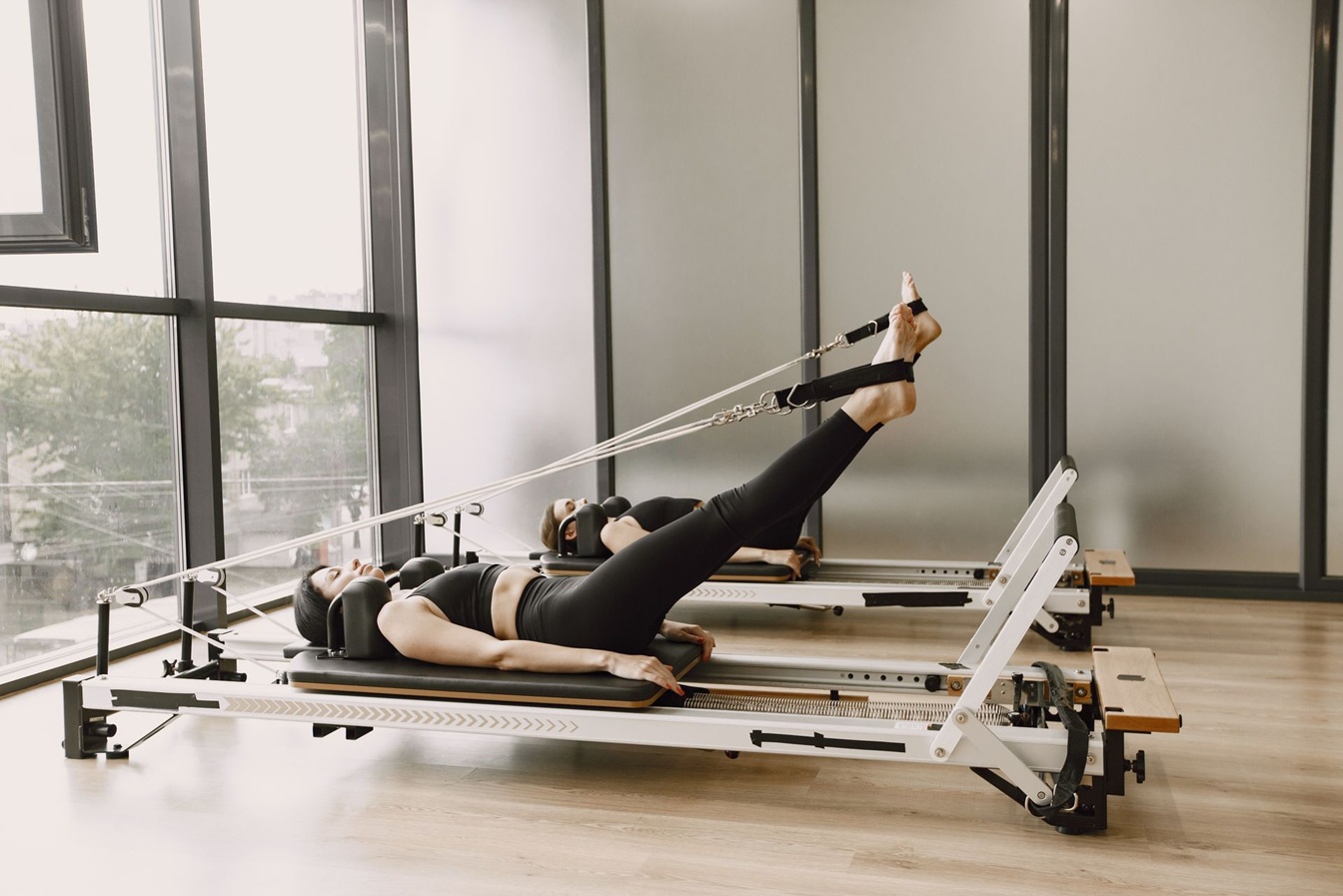
Strength training is particularly important during weight loss.
Its purpose isn't just to increase the number of calories burned. Resistance training helps build and maintain muscle mass, allowing you to improve your body composition even with small changes in total body weight.
Studies have shown that adding resistance training to a weight-loss diet did not result in a significant difference in total body weight compared to diet alone, but it better preserved lean body mass and increased fat loss.
This is a very important distinction: weight loss ≠ fat loss.
Two people may each lose 3 kg, but if one of them lost mainly body fat, while the other lost a significant amount of muscle mass and water, the result will be completely different. Therefore, the goal of a well-managed weight loss program should be not only to lose “fewer kilograms,” but above all to lose less body fat while preserving as much muscle mass as possible.
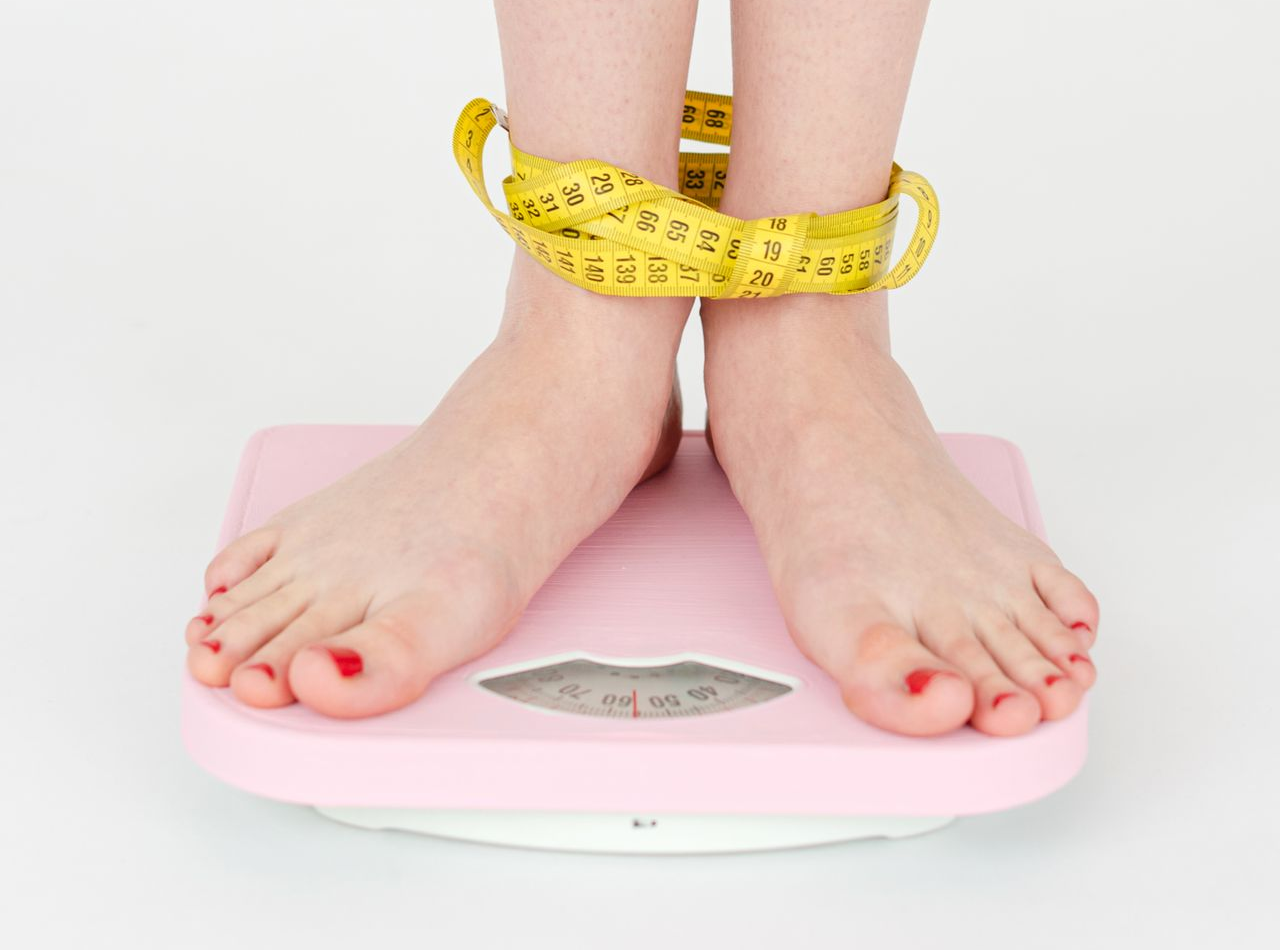
Measuring the circumference of your waist, hips, thighs, or arms can reveal changes that aren't apparent on the scale. If your body weight remains similar but your waist circumference gradually decreases, this may indicate a positive change in body composition.
Photos taken under similar conditions—for example, once every 3–4 weeks, in similar lighting, wearing similar clothes, and in a similar pose—can be a very useful tool for observing visual changes. Looking in the mirror every day makes it harder to notice gradual changes.
Measuring body composition can provide additional information about changes in fat and lean mass. However, caution should be exercised when interpreting the results of popular bioimpedance analyzers—hydration, meals, exercise, and the time of day can all affect the measurement.
Weight loss should not lead to constant fatigue, irritability, or obsessive thoughts about food. It’s a good idea to monitor your energy levels, sleep quality, hunger and fullness, concentration, and overall well-being.
If your body weight decreases while you maintain or improve your strength performance, this may be a good sign that you’re preserving muscle mass. This progress may also mean that daily activities are easier to perform, you’re in better shape, you can do more repetitions, or you’re able to lift heavier weights.
For 7–14 days, keep track of the actual amount of food and drinks you consume. Pay special attention to snacks, alcohol, meal additions, and weekends. The goal isn’t to count every single calorie perfectly for the rest of your life, but to see if you’re actually in an energy deficit.
Think of exercise as part of a healthy lifestyle and a way to build fitness, rather than as a trade-off: “I burned X calories, so I can eat X calories.” This is especially important because it’s difficult to accurately estimate your actual energy expenditure during exercise.
If you work out 3 times a week but spend most of the rest of the day sitting, it’s worth working on your NEAT. A good place to start is with regular walks, taking the stairs, taking short breaks from sitting, or increasing your step count. You don’t always have to add another intense workout. Sometimes, simply moving more throughout the day makes a bigger difference.
Include a source of protein in your main meals, eat an adequate amount of vegetables and fiber-rich foods, and make sure to eat at regular intervals. At the same time, don’t neglect sleep. Lack of sleep can increase hunger and lead to higher calorie intake.
Weigh yourself under consistent conditions and analyze the average or trend over several weeks. At the same time, monitor your waist circumference, body photos, and workout results. If, after a sufficiently long period of consistent effort, you don’t see any changes, it’s worth reevaluating your diet, activity, and recovery—and, if necessary, consulting a dietitian or doctor.
A lack of weight loss despite regular workouts doesn’t necessarily mean that your training isn’t working. Most often, the problem stems from the fact that your overall energy balance isn’t sufficiently negative; additionally, compensatory mechanisms may kick in, such as increased appetite, snacking, or reduced activity outside of workouts. It’s also worth remembering that weight loss isn’t just about the number on the scale. A well-planned process should promote a reduction in body fat while preserving as much muscle mass as possible. In this context, strength training, adequate protein intake, sleep, daily activity, and consistency are just as important as diet itself. So the most important question isn’t, “Why am I not losing weight if I’m exercising?” but rather, “Do my diet, activity, and recovery work together to create the conditions for gradual body fat loss?” It is this holistic approach that offers the best chance for lasting results.
https://pubmed.ncbi.nlm.nih.gov/29845903/
https://pubmed.ncbi.nlm.nih.gov/39002131/
https://pubmed.ncbi.nlm.nih.gov/30870662/

.jpg)
.jpg)


